Insurance and Safety Standards for Removal Reviews
 Welcome to our comprehensive safety and insurance statement tailored for anyone consulting Removal Reviews or seeking trusted removal company information. This page explains the core protections customers should expect, how removal reviews and removal services reviews reflect those protections, and the commitments reputable operators make to protect people, property and possessions. We cover public liability insurance, staff training, mandatory personal protective equipment, and a clear risk assessment process so readers can evaluate movers with confidence.
Public Liability Insurance: Why It Matters
Reliable removal reviews always reference insurance levels — particularly public liability insurance. Reputable movers carry cover that protects clients and third parties against accidental damage or injury arising from moving activities. Public liability is the baseline; it provides financial protection if furniture is damaged, fixtures are harmed, or a member of the public is injured during a job. When reading removal company reviews, look for stated policy limits, typically expressed in millions of currency units, and for confirmation that policies are current and underwritten by established insurers.
 A strong entry in removals reviews will explain how claims are handled: prompt reporting, assessment by loss adjusters, and the company's responsibility to cooperate. It is also useful when evaluations note whether companies offer additional cover such as goods-in-transit insurance or valuables insurance for high-value items. Clear documentation and an insurer's contact details (provided by the mover, not the reviewer) are signs of transparency and reliability.
Staff Training and Competence
Skilled teams make removals safer. Removal Reviews often highlight whether staff have formal training, hold relevant certifications, and follow standardized procedures. Training topics include proper lifting techniques, safe use of moving equipment (dollies, straps, ramps), handling of fragile or hazardous items, and customer care skills during stressful relocations. Many reputable firms perform induction training and regular refresher courses to ensure consistent standards across crews.
 In-depth removal company reviews will describe the nature and frequency of training — for example, initial induction followed by quarterly toolbox talks and annual competency assessments. Employers commonly document training records and make them available during pre-job checks to customer representatives or auditors. This evidence-based approach reassures reviewers and prospective customers that teams are well prepared and that safety is an operational priority, not an afterthought.
Beyond formal instruction, good movers encourage a safety culture that empowers staff to stop work if hazards arise. Many removal services reviews note strong internal reporting systems for near-misses and incidents, which help organizations learn and reduce risk over time.
PPE: Personal Protective Equipment and Site Safety
PPE is a visible and critical component of safe moving operations. Typical items include gloves for grip and protection, steel-toe boots for foot safety, high-visibility vests for roadside or multi-trade work, and back supports or braces where lifting heavy loads is required. Removal Reviews often report whether crews consistently wear appropriate PPE and if the equipment is in good condition.
PPE Checklist
A clear PPE list in a removals review helps customers compare companies. Common items include:
- Protective gloves and knee pads
- Safety footwear (steel toe or composite toe)
- High-visibility clothing for works near roads
- Protective eyewear where dismantling is required
- Protective blankets, straps and edge protectors for goods
 Well-documented PPE procedures reduce injury and damage rates. Reputable firms maintain inventories of protective gear, replace worn items promptly, and ensure staff receive instruction on correct PPE use. When reading removal services reviews, note whether reviewers observed consistent PPE usage across multiple visits or jobs.
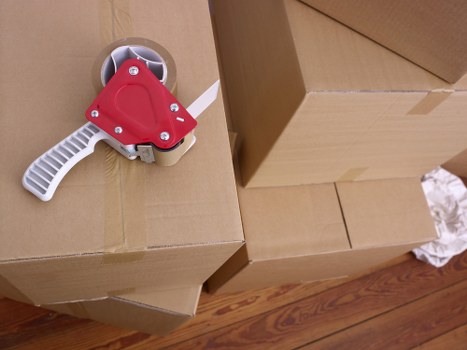 Risk assessments are the backbone of safe operations. A proper risk assessment evaluates the site, access points, load weights, fragile items, staircases, floor protection needs, parking and traffic conditions, and any special circumstances such as pets, children, or hazardous materials. Assessments should be done prior to large jobs and updated if conditions change during the move.
Risk Assessment Process
The typical risk assessment process recorded in professional removal company reviews includes: initial pre-move survey (remote or on-site), documented safe work method statements, identification of control measures, assignment of responsibilities, and confirmation of client sign-off. Control measures might include using ramp systems, additional manpower for heavy items, temporary floor protection, or scheduling moves to avoid peak traffic hours. A structured, documented approach assures clients that risks are understood and managed.
In summary, trustworthy removal reviews should discuss public liability insurance, the quality and frequency of staff training, adherence to PPE standards, and the thoroughness of risk assessments. When reviews include these elements, they give a clearer picture of safety culture and operational reliability. Look for explicit references to insurance limits, documented training programs, visible and appropriate PPE, and a step-by-step risk assessment process to form a holistic view of a mover's safety credentials.
Using removal reviews to vet firms helps customers select movers that treat safety and insurance as integral parts of their service. Removal company reviews that provide evidence — such as photos of properly protected items, notes about staff competence, and descriptions of how risks were controlled — are most useful when comparing quotes and planning a move. Strong safety practice reduces incidents, protects property, and delivers peace of mind.
Finally, when assessing any mover through removals reviews, prioritize companies that demonstrate transparency about insurance, maintain continuous staff training, enforce PPE use, and follow a clear, documented risk assessment process. These core pillars of safety are what readers should expect to find and what reliable movers should consistently deliver.