Permits and Suspensions for UK Moving Vans: What You Need
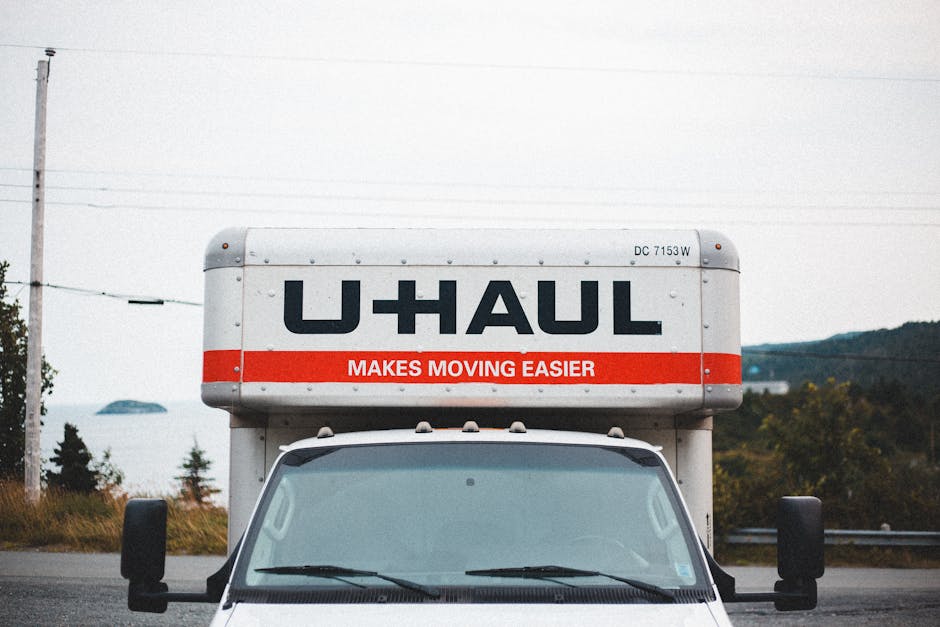
If you are arranging a move in the UK, parking is rarely the glamorous part. But it is often the bit that causes the most stress. Permits and suspensions for UK moving vans: what you need depends on where you are loading, how long the vehicle will stay, and whether a bay, kerbside restriction, or temporary suspension applies. Miss it, and you can end up with delays, fines, or a crew standing around while you try to sort it out. Not ideal, frankly.
This guide explains the moving parts in plain English: what permits and suspensions usually mean, how they differ, when they matter, and how to handle them without turning moving day into a minor disaster. We will also cover practical checks, a simple step-by-step plan, a comparison table, and a checklist you can actually use.
Why Permits and Suspensions for UK Moving Vans: What You Need Matters
A van does not just need a route from A to B. It needs somewhere lawful and workable to stop, load, unload, and sometimes wait while boxes are carried down stairs, through hallways, and into the back of the vehicle. In busy streets, outside terraced homes, near schools, on controlled parking zones, or in central business districts, that can be harder than it sounds.
Permits and suspensions matter because they reduce friction. A permit gives you permission to use a bay or restricted space under defined conditions. A suspension temporarily removes normal parking rights from a space, often so the area can be used for a move, delivery, works, or another specific reason. That distinction is important. One is usually about authorised use; the other is about temporarily taking a space out of normal service.
For moving vans, this is not just an administrative detail. It affects timing, safety, cost, and whether the move runs smoothly or turns into a shuffle of double parking, hurried trips, and apologetic phone calls. And let's be honest, nobody wants to start a moving day by arguing with a traffic warden at 8:15 in the morning.
In practice, getting the parking side right can protect the rest of the move. It supports the crew, keeps neighbours happier, and helps avoid unnecessary disruption. If you are also coordinating home removals or a more complex project such as commercial moves, this planning becomes even more valuable.
How Permits and Suspensions for UK Moving Vans: What You Need Works
The basics are simple enough, but the details vary by local authority and by the street itself. Some councils issue parking permits for removals or deliveries. Others use suspension notices to clear a bay temporarily. Some locations allow loading for a limited period without a permit, while others are strict and require advance approval. That is why one street can feel easy and the next one impossible.
Here is the plain-English version:
- A parking permit is permission to park in a controlled or restricted area under certain conditions.
- A suspension temporarily removes a parking bay from general use so it can be reserved for a specific purpose.
- A loading allowance may permit brief stopping for active loading or unloading, but often with time limits and no guarantee of space.
- Yellow lines and red routes can have separate restrictions, and these should never be guessed at.
The moving company may help identify what is needed, but responsibility is often shared. If you are hiring a smaller team, such as a man and van service or arranging removal truck hire, the parking solution can be different from a full household removal with several vehicles. The larger the van, the more awkward tight bays and narrow streets become.
Suspensions are especially useful where a parking bay is essential to the move. Picture a flat on a London street with nowhere off-road to stop. If the only available space is a resident bay or shared loading bay, a suspension may be the cleanest option. That said, it still needs notice, the right paperwork, and confirmation that the suspension is accepted for the date and time you need.
One small but important point: not every "permit" is actually a moving permit. Some are resident permits, some are visitor permits, and some are business permits. For a move, you need the one that fits the intended use, not just the first document that looks close enough. Close enough is not good enough here.
Key Benefits and Practical Advantages
When permits and suspensions are handled properly, the benefits are practical rather than flashy. Still, they make a real difference on moving day.
- Better access: The van can stop closer to the property, reducing carrying distance and time.
- Less stress: Everyone knows where the vehicle is supposed to be and for how long.
- Reduced risk of penalties: You are less likely to receive a ticket, warning, or enforcement notice.
- Smoother timing: The move can keep to plan instead of being thrown off by parking issues.
- Safer handling: Less distance between door and van means fewer awkward lifts and fewer opportunities for damage.
- Better neighbour relations: Clear parking arrangements are simply less annoying for everyone else on the street.
There is also a commercial upside. If you are moving an office, retail stock, or equipment, time is money. A vehicle stuck half a street away adds extra labour and interrupts the rhythm of the move. For businesses considering office relocation services, these parking decisions can be the difference between a tidy move and a very long day.
Expert summary: Treat parking permissions as part of the move plan, not an afterthought. The earlier you sort the bay, permit, or suspension, the easier everything else becomes.
Who This Is For and When It Makes Sense
This topic matters to anyone arranging a move where the van cannot simply park on a driveway, private forecourt, or unrestricted space. In real life, that is a lot of people.
- Home movers on terraced streets or in flats
- Landlords and tenants juggling tight move-out windows
- Small businesses moving stock, fixtures, or files
- People using a van for furniture collections
- Customers who need a large vehicle or tail-lift access
- Anyone moving in busy urban areas with controlled parking zones
If you are hiring help for a lighter move, such as man with van support or a single-item collection through furniture pick up, the parking need may be modest. But it is still worth checking. A van that cannot legally pause near the property can quickly become a headache, even for a short job.
It also makes sense when the street layout is awkward. You know the kind of place: narrow road, parked cars on both sides, a skip halfway down, and a neighbour's delivery driver already half-blocking the corner. In those situations, planning for permits and suspensions is not overcautious. It is sensible.
Step-by-Step Guidance
Here is a straightforward process you can follow. It is not glamorous, but it works.
- Check the property location. Look at whether the van can park off-road, on a private drive, or in a standard loading area.
- Identify the local parking restrictions. Controlled parking zones, permit bays, yellow lines, and timed loading bays all behave differently.
- Decide whether you need a permit or a suspension. If a bay must be reserved, a suspension may be better. If parking is allowed under conditions, a permit may be enough.
- Confirm the vehicle details. Vehicle size matters. A small van and a larger moving truck do not face the same space issues.
- Allow enough notice. Local processes can take time, and short notice often narrows your options.
- Document the booking. Keep reference numbers, confirmation emails, dates, times, and any special instructions in one place.
- Share the plan with the mover. The team should know where to park, where the access point is, and what to do if the space is blocked.
- Do a final check the day before. Streets change. A bay can be occupied, suspended for another reason, or affected by roadworks.
If the job involves a larger vehicle, you may also want to review the vehicle fit itself. A bigger load may be better served by a moving truck rather than a smaller van, but that only helps if the parking setup can accommodate it. Truth be told, the right vehicle in the wrong place is still the wrong solution.
One practical tip: write the parking instructions as if you were handing them to someone who has never seen the street. Because on moving day, that is often exactly what happens.
Expert Tips for Better Results
There are a few patterns you start to notice after enough moves. Nothing dramatic, just the sort of small things that save time and avoid grumbling.
- Measure the frontage. Not perfectly, just realistically. A long van needs more room than people expect.
- Think about turning space. It is one thing to stop. It is another thing to get back out without blocking the road.
- Plan around traffic peaks. Early morning can be easier, though not always. School runs and bin collections can be awkward.
- Use clear labels on boxes. If the van is parked farther away than expected, this speeds up loading and unloading.
- Keep a spare contact number handy. If a bay is blocked, someone may need to make a quick decision.
- Build in a buffer. Even 20 to 30 minutes of flexibility can reduce the pressure enormously.
For customers arranging a full household move, it can also help to combine parking planning with packing and unpacking services. A more organised load means fewer delays at the kerb and fewer frantic last-minute trips back inside for "one more thing". We have all been there.
Another tip that sounds obvious, but saves hassle: take a photo of the parking sign or bay markings before moving day if there is any doubt. That way, if confusion arises, you are not relying on memory from a rainy Thursday evening when the street looked very different.
Common Mistakes to Avoid
Most parking problems during removals come from a handful of avoidable mistakes. The good news is that they are easy to spot once you know what to look for.
- Assuming a permit is automatic. Many councils and property managers need advance notice.
- Leaving the booking too late. The closer you get to move day, the fewer choices you have.
- Ignoring vehicle size. A parking space may work for a car but not for a loaded van.
- Forgetting about loading bays. Some are time-limited and some require specific use.
- Not checking whether the road is private. Private roads and estates can have separate rules.
- Failing to tell the mover about restrictions. If the team arrives without the right plan, time slips away quickly.
- Relying on guesswork. "It should be fine" is not a strategy. It really isn't.
One of the more common issues is assuming that because unloading seems brief, it will be tolerated anywhere. Sometimes that works. Sometimes it does not. Enforcement can be surprisingly quick, especially in busy city streets where an apparently harmless stop is still technically a restriction breach.
Tools, Resources and Recommendations
You do not need specialist software to manage this well, but a few basic tools make life easier.
- A street view or map check: Useful for understanding bay layout, one-way systems, and access constraints.
- A simple moving planner: A paper checklist or phone note is enough if it includes parking details.
- Property documents: Lease notes, landlord instructions, or estate rules can clarify what is allowed.
- Vehicle dimensions: Length, height, and loading access can matter more than people realise.
- Timing notes: Keep your arrival window, lift booking, and loading window in one place.
It may also help to compare the kind of move you are planning. For a household move, house removalists may need a larger access setup than a light van run. For businesses, commercial moves often need stricter timing because building access windows can be tight. And if you are simply hiring a vehicle, removal truck hire may be the right fit only if the parking situation can support it.
When in doubt, ask for a second look at the street plan. A quick sanity check now can save you from standing in the drizzle later, staring at a bay that looked bigger yesterday.
Law, Compliance, Standards, or Best Practice
Parking, loading, and road access during a move sit within local rules and wider traffic law. The exact requirements depend on the council, the street, and the type of restriction in place. Because of that, it is safest to treat this as a compliance task, not a casual arrangement.
Good practice usually includes the following:
- checking local parking restrictions before booking the vehicle
- using the correct type of permit or suspension for the job
- keeping proof of approval available on the day
- avoiding unsafe stopping positions, even if they look convenient
- making sure drivers understand the instructions and limitations
If the move involves heavier lifting, awkward furniture, or shared access areas, the parking plan should also fit broader safety expectations. For example, a clear route from van to property helps reduce strain and lowers the chance of collisions with doors, walls, or parked cars. That sits neatly alongside practical standards covered in health and safety policy and, where relevant, insurance and safety arrangements.
Best practice is also about honesty. If a permit has not been approved, say so. If a suspension cannot be arranged in time, adjust the move plan rather than forcing it. A slightly longer walk from bay to front door is annoying; an avoidable penalty or blocked street is worse.
Options, Methods, or Comparison Table
Different parking approaches suit different kinds of moves. Here is a simple comparison.
| Option | Best for | Pros | Limits |
|---|---|---|---|
| Permit | Controlled areas where parking is allowed under conditions | Can provide clearer permission and fewer surprises | May not reserve a specific space |
| Suspension | Situations where a bay needs to be kept clear for the move | Creates dedicated access and reduces parking conflict | Usually needs advance notice and coordination |
| Short loading stop | Quick jobs with active loading and limited dwell time | Simple when allowed, often no special booking | Space may not be available and time is tight |
| Private off-street access | Homes or premises with drives, yards, or forecourts | Often easiest and least disruptive | Not available for many urban properties |
For many readers, the choice comes down to one question: do you need permission, or do you need guaranteed space? That small distinction changes the whole plan.
Case Study or Real-World Example
Imagine a couple moving out of a two-bedroom flat on a busy residential street in South London. The building has no driveway, and the only clear space near the entrance is a permit bay used by residents. They have booked a van for the morning, but the load includes a sofa, wardrobe, several boxes of kitchenware, and a few awkward bits that only look small until you start carrying them.
At first, they assume the driver can simply stop nearby and work quickly. But the street is tighter than expected, and there is already another vehicle partly occupying the best section of kerb. The result would have been slow loading, longer carrying distances, and probably a bit of tension with neighbours.
Instead, they check the parking situation two weeks ahead, confirm the bay rules, and arrange the most suitable option available locally. On the day, the van stops close to the entrance, the crew keeps a steady rhythm, and the move feels manageable rather than frantic. Not perfect. Just calmer. And sometimes that is the real win.
If the same couple had been moving a few chairs and a bedside table, the planning might have been lighter. But for a larger load, especially in a dense street, the parking arrangement is part of the job, not a side issue.
Practical Checklist
Use this before move day. It is simple, but it catches most problems.
- Check whether the property has off-street access.
- Confirm the street's parking restrictions and loading rules.
- Decide whether you need a permit, suspension, or short loading stop.
- Match the parking plan to the actual vehicle size.
- Allow enough notice for approval or processing.
- Share access instructions with the mover.
- Keep confirmation details and reference numbers ready.
- Review the plan the day before in case the bay is unavailable.
- Prepare for a backup parking option, just in case.
- Make sure everyone involved knows the arrival time and contact person.
Small note, but an important one: if the street is likely to be busy, do not leave the vehicle plan to the last phone call before the move. That is how rushed decisions happen.
Get a free quote today and see how much you can save.
Conclusion
Permits and suspensions for UK moving vans: what you need is ultimately about access, timing, and avoiding avoidable drama. When you understand the difference between a permit, a suspension, and a simple loading arrangement, you are already ahead of many people who wait until the night before and hope for the best.
The good approach is steady and practical: check the street, match the vehicle to the space, confirm the rules, and give yourself enough lead time. Do that, and moving day tends to feel more controlled, less noisy, and a lot less like a fire drill with boxes.
If you are comparing help for a household move, office relocation, or single-item collection, start with the parking question first. It shapes the rest of the plan. And honestly, that little bit of preparation can make the whole day feel lighter.
That is the sort of calm that makes a move feel manageable, even when the kettle is packed and the hallway is full of tape.
Frequently Asked Questions
Do I need a permit for a moving van in the UK?
Sometimes, yes. It depends on the street, the parking restrictions, the length of time you need, and whether the van can use off-street access. In some places, a permit is needed; in others, a loading stop may be enough.
What is the difference between a parking permit and a suspension?
A permit usually allows parking under certain conditions. A suspension temporarily removes a bay from normal use so it can be reserved for a specific purpose, such as loading during a move.
How far in advance should I sort out parking for moving day?
As early as you can. Different councils and sites work on different timelines, and short notice can limit what is available. If the move is in a busy urban area, leaving it late is risky.
Can a man and van just stop outside my house without a permit?
Only if the local rules allow it and the vehicle is not blocking traffic or breaching restrictions. A man and van job is often flexible, but flexibility is not the same as permission.
Is a suspension better than a permit for removals?
Not always. A suspension is useful when you need to keep a space clear. A permit may be enough if parking is allowed but controlled. The best choice depends on the street layout and the type of vehicle.
What happens if the van cannot park near the property?
The crew may need to park farther away, carry items for longer, and spend more time on the move. That can increase delays and make the day more tiring. It can also create problems if the street is heavily restricted.
Do larger moving trucks need different parking arrangements?
Often, yes. A larger vehicle needs more space and better turning room. If you are planning a bigger move, a moving truck can be a good fit, but only if access and parking have been checked properly.
Who usually arranges the permit or suspension?
It varies. Sometimes the customer arranges it, sometimes the moving company helps, and sometimes both parties share the task. The key thing is not who does it, but whether it gets done correctly and in time.
Are parking rules different for home moves and office moves?
Yes, they can be. Office moves may have stricter access windows, building management rules, or loading bay conditions. For that reason, office relocation services often need a more detailed parking plan than a simple domestic job.
What if the bay is occupied on moving day?
You need a backup plan. That might mean a secondary bay, a different arrival time, or a revised loading method. Building in some flexibility is wise. Streets have a habit of changing overnight, and not politely either.
Does parking planning affect moving costs?
It can. Delays, longer carrying distances, and extra labour may increase the overall effort involved. Good planning helps keep the move efficient, which is one reason many people review pricing and quotes carefully before booking.
Can I ask for help with packing as well as parking planning?
Yes. Parking and packing often go hand in hand. If the load is organised and ready to move, the van can be loaded faster. That is especially useful when access is tight and every minute matters.
What should I do if I am not sure which parking option I need?
Start with the property type, the street restrictions, and the vehicle size. If you are still unsure, ask the moving provider to help assess the access. A quick conversation now is much easier than trying to fix a bad setup on the day.
Where can I learn more about the company's standards and policies?
You can review the site's terms and conditions, health and safety policy, insurance and safety, and recycling and sustainability information for a clearer picture of how services are handled.