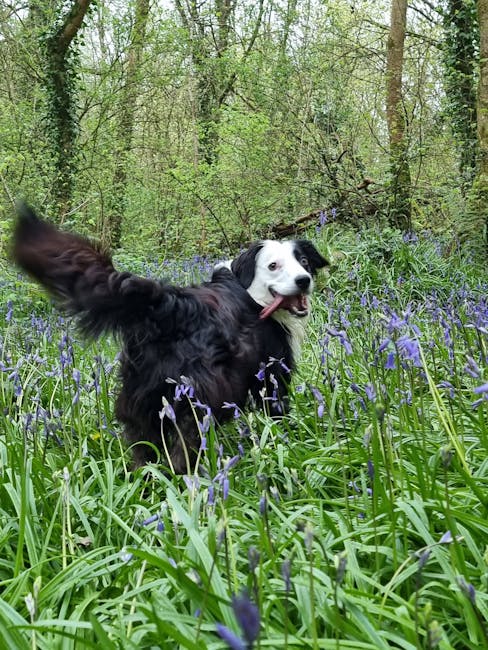
Moving with Pets - a Practical UK Guide for Stress-Free Transit
Moving house is disruptive enough for people. For pets, it can feel like the whole world has changed overnight: new smells, unfamiliar sounds, boxes everywhere, and a routine that suddenly makes no sense. If you are planning a move in the UK and want to keep the experience as calm as possible for your dog, cat, rabbit, bird, or small animal, this guide is for you. It explains moving with pets in a practical, step-by-step way, with realistic advice you can actually use on moving day and beyond.
You will learn how to prepare your pet, what to do during transit, how to reduce anxiety, and which moving decisions make the biggest difference. Where it helps, we also cover when to bring in professional support such as home moving services, man and van support, or packing and unpacking services. A calmer move is usually a more organised move - and pets notice the difference quickly.
Quick takeaway: pets do best when the move feels boring, predictable, and low-chaos. That means planning ahead, controlling the environment, and keeping their routine as steady as possible.
Table of Contents
- Why Moving with Pets Matters
- How Pet-Friendly Moving Works
- Key Benefits and Practical Advantages
- Who This Is For and When It Makes Sense
- Step-by-Step Guidance
- Expert Tips for Better Results
- Common Mistakes to Avoid
- Tools, Resources and Recommendations
- Law, Compliance, Standards, or Best Practice
- Options, Methods, or Comparison Table
- Case Study or Real-World Example
- Practical Checklist
- Conclusion
- Frequently Asked Questions
Why Moving with Pets - a Practical UK Guide for Stress-Free Transit Matters
Pets do not understand why the furniture is disappearing or why their food bowl has moved. They just know their territory has shifted. That is why moving with animals is not just a transport problem; it is a welfare and routine problem. The sooner you recognise that, the easier it is to make sensible choices.
Stress in pets often shows up in subtle ways before it becomes obvious. A dog may pace, vocalise, or refuse food. A cat may hide, stop using the litter tray, or seem unusually clingy. Rabbits and small animals may freeze, become restless, or change eating habits. These are not dramatic "behaviour issues" so much as normal reactions to a major environmental change.
In practical terms, a move becomes harder when pets are left to improvise. A quiet room, a consistent feeding schedule, and controlled transport are far better than trying to "see how it goes." If you are already coordinating moving day logistics, it may help to explore a trusted house removalists option that understands domestic move timing, or check pricing and quotes early so pet-related timing can be built into the plan rather than squeezed in at the last minute.
There is also a human side to this. When your pet is unsettled, you are unsettled too. And let's face it, nobody needs a barking dog and a missing carrier while the kettle is buried under boxes.
How Moving with Pets - a Practical UK Guide for Stress-Free Transit Works
At its simplest, a pet-friendly move works by reducing surprises. The main principle is to keep your pet safe, contained, hydrated, and as close to routine as possible while the house changes around them. That starts before moving day and continues after arrival.
Think of the move in three phases:
- Pre-move preparation: help your pet get used to carriers, travel crates, scent cues, and any temporary changes in routine.
- Transit day control: create one calm, secure plan for getting the animal from old home to new home.
- Settling in: re-establish familiar items, feeding times, toileting areas, and quiet spaces.
For some households, this means choosing a removal option that reduces the number of hands and the amount of time the door is open. A smaller, more flexible service such as man with van help can be useful for shorter moves or when you want tighter control over timing. For larger homes or heavier loads, a moving truck or dedicated removal truck hire may make better operational sense.
The key is not simply transport; it is sequencing. Pets should usually be moved after the home is packed but before the environment becomes loud, crowded, and chaotic. That one adjustment often makes the whole day feel less frantic.
Key Benefits and Practical Advantages
Moving pets properly is not about being fussy. It is about reducing avoidable risk and making the day easier for everyone involved. When the move is planned with animals in mind, several good things happen.
- Less anxiety for the pet: predictable handling and a secure space help animals stay calmer.
- Lower risk of escape: open doors, stacked boxes, and visitors increase the chances of a frightened pet slipping out.
- Cleaner logistics: a defined pet plan reduces back-and-forth decisions on the day.
- Faster settling-in: familiar bedding, toys, and feeding patterns help pets adjust more quickly.
- Better safety: fewer chances of injury from wandering, chewing cables, or slipping in crowded areas.
There is a very practical benefit for owners too: fewer interruptions. When you know where the pet is, what they need, and who is responsible, the whole move feels more manageable. That becomes especially valuable if you are juggling children, keys, handover times, and delivery windows.
If your move is part of a bigger household reorganisation, it can also help to combine pet planning with broader move services such as home moves and professional packing and unpacking services. A well-packed house tends to be a calmer house.
Who This Is For and When It Makes Sense
This guide is for anyone moving with an animal in the UK, but the details matter more in certain situations. A single healthy adult cat is one thing; a nervous rescue dog, a rabbit pair, or an elderly pet with medication needs is another.
You will get the most value from this approach if you are:
- moving house with a dog, cat, rabbit, bird, guinea pig, or other small pet;
- moving a pet over a longer distance between UK towns or regions;
- trying to prevent travel stress or separation-related behaviour;
- moving with a multi-pet household;
- handling a move in summer, winter, or another weather-sensitive period;
- concerned about escape risk, motion sickness, or routine disruption;
- working with professional movers and want the handover to be efficient.
It also makes sense if you need the move to happen in phases. Some owners temporarily move pets to a quiet room or a trusted person's care while loading is underway. Others prefer the pet to travel last so they can be present for the final transition. There is no one correct answer, but there is definitely a wrong one: assuming your pet will simply "adapt" while everything else happens at full speed.
For complex moves, it is worth checking whether your removal provider has useful support pages, clear insurance and safety information, and transparent service terms. Those details matter when you are handing over part of a stressful day to someone else.
Step-by-Step Guidance
1. Start with a pet-specific moving plan
Before you pack a single bowl, decide where the pet will be on moving day, who will supervise them, and how they will travel. This sounds basic, but basic is good here. Good plans remove panic.
If you are using a removal team, let them know in advance that animals will be present. That helps with timing, door management, and vehicle loading. If you are comparing service options, it may help to review house removalists and decide whether a broader household service or a smaller vehicle-based move is best for your layout and timeline.
2. Keep familiar items close
Pets settle faster when their own scent travels with them. Use the same bed, blanket, carrier, crate, litter tray, or water bowl if you can. Wash items only when necessary; overly "fresh" smells can be less reassuring than familiar ones.
For cats and small animals, the carrier or hutch liner should be introduced early. For dogs, short practice trips in the car can make the real journey much easier. No need for marathon training sessions - just enough repetition for the carrier or vehicle to stop feeling like a strange object from another planet.
3. Pack a pet go-bag
Keep a dedicated bag accessible, not buried in a box pile. Include food, treats, bowls, medication, leads, waste bags, litter, cleaning wipes, a favourite toy, and copies of any relevant veterinary information. If your pet is on medication, place that at the top, not in a "somewhere in this box" situation.
4. Create a quiet room on moving day
During packing and loading, pets should usually be kept in a calm, closed room away from the action. Put a clear note on the door so nobody opens it by mistake. The room should have water, bedding, and ventilation, but not unnecessary clutter that could be knocked over.
For households with multiple animals, separate them if needed. Even friendly pets can become more reactive when people are moving through the house and doors are constantly opening.
5. Move pets at the right moment
In many cases, the safest time is after the bulk of loading is finished but before the final rush. If you are traveling by car, use a secure carrier, harness, or crate as appropriate. If the journey is longer, plan a break only if it is genuinely safe and necessary, not because you want to "just check in." For a nervous pet, fewer transitions are usually better.
6. Settle them first at the new home
When you arrive, take the pet to a prepared room before unpacking begins. Put out water, bedding, a familiar item, and food if appropriate. Then keep the noise level low for the first few hours. Once the essentials are in place, the rest of the boxes can wait.
After that, reintroduce the home gradually. One room at a time is often easier than giving a pet full run of the property immediately. A cautious start usually saves you from a stressed pet darting under a bed and refusing to emerge for half the afternoon.
Expert Tips for Better Results
These are the practical details that make a real difference. They are the kind of things people often learn the hard way.
- Keep feeding times steady: a familiar schedule helps create emotional and physical predictability.
- Use scent strategically: a blanket, bed, or toy from the old home can act like a comfort anchor.
- Never leave a pet loose during loading: even well-trained animals can bolt when doors are open.
- Prepare a second water bowl: one for the move room and one for the destination room.
- Avoid overhandling: some pets prefer less fuss, not more reassurance.
- Move dangerous items first: cleaning products, sharp tools, and loose cords should not be accessible to curious animals.
- Use a calmer arrival strategy: if possible, have one person on pet duty while another handles keys and unloading.
If you are using a professional service, ask how they prefer to handle animals on the day. Good movers are usually happy to work with a pet plan, especially if you tell them where the animal will be and when access is safest. A transparent provider with clear payment and security information and straightforward contact options tends to make coordination easier too.
One more small tip: if your pet is sensitive to noise, choose the quietest room on the route and close curtains if outdoor movement is likely to trigger them. Sometimes the simplest fixes are the best ones.
Common Mistakes to Avoid
Most move-related pet problems come from good intentions paired with poor timing. The mistakes are usually easy to avoid once you know what to watch for.
- Leaving pet transport until the last minute: this creates rushed decisions and unnecessary stress.
- Not testing the carrier early: if your pet has never used it, moving day is a bad first impression.
- Forgetting medication: pack it separately and label it clearly.
- Allowing open-door access: pets can slip out while people focus on boxes and furniture.
- Changing too many routines at once: new food, new bedding, new room, new schedule, all in one day, is a lot.
- Feeding right before travel without thought: this can be a problem for motion-sensitive animals.
- Assuming all pets react the same way: a confident dog may cope very differently from a shy cat or a bonded pair of rabbits.
Another common oversight is treating the move as finished the moment you unlock the new front door. For pets, the adjustment starts there. The first evening matters, and the first night often matters even more.
Tools, Resources and Recommendations
You do not need a mountain of equipment to move a pet safely, but the right basics help. A small, sensible toolkit is better than an overcomplicated one.
| Item | Why it helps | Best for |
|---|---|---|
| Sturdy carrier or crate | Keeps the pet secure during transit | Cats, small dogs, rabbits, birds, small animals |
| Familiar blanket or bedding | Provides scent comfort and a sense of continuity | Most pets |
| Water bowl and bottled water | Supports hydration during the move | All pets, especially in warm weather |
| Lead, harness, or travel restraint | Reduces escape risk at doors and stops | Dogs and some smaller pets |
| Pet first-aid or medication kit | Keeps essential care items together | Pets with health needs |
| Cleaning wipes and waste bags | Helpful for accidents and quick tidy-ups | Dogs, cats, and small animals |
It can also help to prepare your broader moving logistics around the pet rather than the other way around. If you are coordinating larger household items, a reliable removal truck hire or efficient man and van service can reduce the number of separate trips, which in turn reduces the number of times the pet is exposed to disruption.
If you are replacing furniture or planning disposal as part of the move, practical support such as furniture pick-up can also help keep living spaces clearer for your pet during the final days in the home.
Law, Compliance, Standards, or Best Practice
For most UK household moves, the key issue is not a special pet-moving law; it is good practice, safe transport, and responsible animal care. That said, there are some sensible compliance and welfare considerations to keep in mind.
If you are travelling with a dog in a vehicle, the animal should be secured safely and appropriately so it does not distract the driver or become injured if the vehicle stops suddenly. For cats and small animals, a secure carrier is usually the most sensible option. Local guidance, vehicle safety recommendations, and common-sense animal welfare principles all point in the same direction: keep the pet contained and protected.
For longer journeys, check in advance whether the destination requires any particular documentation, vaccinations, or arrangements, especially if you are crossing borders or travelling with less common species. If in doubt, speak to your vet. Veterinary advice is the right place for health questions, especially if your pet has a history of travel sickness, heart issues, anxiety, or recent surgery.
It is also good practice to confirm that any moving provider you use has clear policies around health and safety and insurance and safety. That is not just paperwork. It tells you how seriously they approach controlled loading, careful handling, and customer care. If you want a bit more background on the company side, their about us page is a sensible place to start.
Finally, remember that pet welfare is partly about environment and partly about judgment. If your pet is extremely anxious, ill, or recovering from treatment, the best option may be to reduce the amount of movement and seek professional advice before the journey.
Options, Methods, or Comparison Table
Different homes need different pet-moving methods. The right choice depends on distance, the number of animals, your vehicle access, and how much supervision the pet needs.
| Method | Best for | Pros | Watch-outs |
|---|---|---|---|
| Personal car transport | Single pets or short domestic moves | Flexible, familiar, controlled | Requires careful restraint and a calm driver |
| Dedicated pet room during move | Short loading windows and busy homes | Reduces escape risk and confusion | Needs ventilation and regular checking |
| Professional removal support with pet plan | Most house moves | Less chaos, better sequencing, easier coordination | Needs advance communication |
| Phased move with temporary pet care | Nervous pets or high-traffic homes | Quiet transition, less exposure to noise | Requires extra planning and trusted care |
For many families, the sweet spot is a combination: professional help for the furniture and boxes, plus a carefully managed pet transfer in the family vehicle. That keeps control where it matters and reduces exposure to movement and noise.
If you are comparing services, check whether the provider can offer the kind of flexible move that suits your timetable. Some households benefit from a structured move with home moves support, while others simply need a practical vehicle solution and a clear handover window.
Case Study or Real-World Example
Consider a typical family move from a two-bedroom house to another property across town. They have one cat, one dog, and a limited overlap between leaving the old house and collecting the keys to the new one. The main risk is not the journey distance; it is the day's timing.
The family starts by packing the pet items separately: food, bowls, medication, blankets, leads, litter tray, and the cat carrier. The dog is walked early, then kept in a quiet room with water and bedding while the movers load the larger items. The cat stays in the carrier only when the house is nearly clear, so there is less noise and fewer people passing the room.
Once they arrive at the new home, the cat is placed in a quiet upstairs room with familiar bedding and a litter tray. The dog is taken for a short, calm lead walk nearby before coming in. The family waits until the main furniture is in place before opening up the rest of the house.
The result is not perfect, because real moves rarely are. But the pets remain secure, the owners remain calm enough to think, and the first night is manageable rather than chaotic. That is the real goal: not a magical stress-free move, but a controlled one.
In many cases, a similar outcome is easier when the move itself is well organised from the outset. Clear timing, sensible vehicle planning, and the right level of support from a mover can make a bigger difference than most people expect.
Practical Checklist
Use this checklist in the week before the move and again on the morning itself.
- Confirm where the pet will stay during loading.
- Book or arrange the right transport method early.
- Introduce carrier, crate, or harness before moving day.
- Pack food, medication, treats, leash, and bowls separately.
- Keep a favourite blanket or toy aside for the journey.
- Label one room as the pet safe space in both properties.
- Tell movers that a pet is present and explain access points.
- Check windows, doors, and gates before opening the vehicle.
- Carry water, cleaning wipes, and waste bags within reach.
- Set up the new home's pet area before unpacking everything else.
- Feed and rest the pet according to their normal routine where possible.
- Watch for stress signs in the first 24 to 48 hours.
If you want to make the wider move easier as well, it is worth reviewing trusted service information and then requesting a quote once you know your timeline. A little structure now saves a lot of rushing later.
Conclusion
Moving with pets is rarely difficult because of one big problem. It is usually the accumulation of small ones: noise, doors opening, routines changing, and people trying to do too much at once. The good news is that most of that can be controlled with preparation.
If you plan ahead, keep the pet's environment familiar, and make the journey as simple as possible, the move becomes much easier to manage. That is true whether you are relocating across town or handling a more complex household move. And if you are already arranging the rest of the logistics, aligning pet planning with practical support such as packing and unpacking services or a straightforward man with van option can take a surprising amount of pressure off the day.
Get a free quote today and see how much you can save.
Frequently Asked Questions
How do I keep my pet calm during a house move?
Keep their routine as steady as possible, use familiar bedding or toys, and give them a quiet, secure room away from loading noise. Calm surroundings usually work better than lots of reassurance.
Should I move my pet first or last?
There is no single right answer, but many owners move pets after the house is packed and loading is nearly finished. That reduces exposure to noise and lowers the risk of escape.
Can pets travel in the moving van?
Usually, a pet should travel in a safe, controlled way that suits the species and journey. For most household moves, the family car with an appropriate carrier, crate, or restraint is the more practical choice. If you are unsure, ask your vet.
What should I pack for my pet on moving day?
Pack food, water, bowls, medication, treats, leads, waste bags, bedding, and a favourite toy. Keep these items in one accessible bag so you are not searching through boxes later.
How do I move a cat without making them panic?
Use a familiar carrier, introduce it early, and keep the cat in a quiet room until the last possible moment. Once at the new home, place them in a calm room with water, a litter tray, and familiar scent items.
What is the safest way to move a dog?
Use a secure lead, harness, or crate as appropriate, and avoid leaving doors open while loading is underway. If the dog is anxious, a calm car journey with minimal fuss is often best.
How should I move small pets like rabbits or guinea pigs?
Use a secure carrier or travel box, keep temperature and ventilation in mind, and avoid unnecessary handling. Small animals are often more sensitive to noise and drafts than people expect.
Do I need a vet appointment before moving house with pets?
Not always, but it is sensible if your pet has anxiety, motion sickness, medication needs, or a medical condition. A vet can also advise on the safest travel approach for that individual animal.
How soon should I let my pet explore the new house?
Start with one quiet room first and expand gradually. A slow introduction often prevents hiding, bolting, or toileting accidents.
What are the most common mistakes people make when moving with pets?
The biggest mistakes are poor planning, last-minute transport, forgetting medication, and leaving doors unsecured. Most problems come from rushing, not from the move itself.
Is professional help worth it for a move with pets?
For many households, yes. Professional support can reduce chaos, shorten the loading window, and make it easier to protect your pet from noise and confusion. It is especially useful if you are balancing a full family move at the same time.
How do I know which moving service is right for my situation?
Think about distance, volume, timing, and how much control you need on the day. A larger move may suit a full household service, while a smaller or more flexible move may suit a simpler vehicle-based option. Comparing services in advance usually leads to a calmer decision.