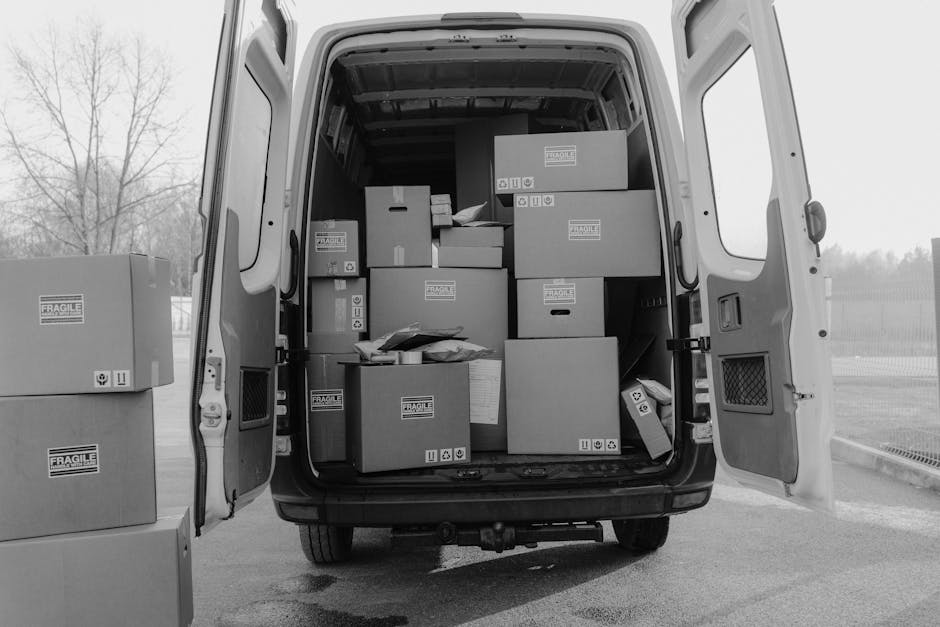
DIY vs Pro Removals -- When to Hire a UK Removals Crew
Moving house can feel straightforward on paper. A few boxes, a van, a couple of friends, done. Then the sofa refuses to fit through the hallway, the rain starts, and somebody's legibly overconfident mate realises the wardrobe weighs more than a small fridge. That's usually the moment people start asking the real question: should I do this myself, or hire a professional removals crew?
This guide on DIY vs Pro Removals -- When to Hire a UK Removals Crew breaks the decision down in plain English. We'll look at the practical trade-offs, the hidden costs, the stress points people often miss, and the situations where calling in experienced movers is simply the smarter move. If you're planning a home move, office relocation, or even a smaller furniture move, this should help you choose with a bit more confidence and a lot less guesswork.
For readers comparing services, it can also help to browse related options such as home moves, house removalists, or a flexible man and van service when you do not need a full-scale crew.
Table of Contents
- Why DIY vs Pro Removals -- When to Hire a UK Removals Crew Matters
- How DIY vs Pro Removals -- When to Hire a UK Removals Crew Works
- Key Benefits and Practical Advantages
- Who This Is For and When It Makes Sense
- Step-by-Step Guidance
- Expert Tips for Better Results
- Common Mistakes to Avoid
- Tools, Resources and Recommendations
- Law, Compliance, Standards, or Best Practice
- Options, Methods, or Comparison Table
- Case Study or Real-World Example
- Practical Checklist
- Conclusion
- Frequently Asked Questions
Why DIY vs Pro Removals -- When to Hire a UK Removals Crew Matters
The choice between DIY and professional removals affects more than just the moving day itself. It changes how much time you need, how much risk you carry, how tired you'll be by the evening, and what happens if something goes wrong. To be fair, a move is one of those jobs where the visible part is only half the story. The packing, the lift bookings, the parking, the wrapping, the loading order, the timing - that's where the real effort sits.
For a small flat with limited furniture, DIY can be sensible. For a larger family home, a tight staircase, fragile items, or a deadline that absolutely cannot slip, professional help tends to earn its keep quickly. It's not just about muscle. It's about planning, handling, equipment, and experience under pressure.
There's also a trust factor. A reputable removals crew should be able to explain how they handle access issues, protection for furniture, and what support is available before, during, and after the move. If you want to understand that side of things, take a look at the site's insurance and safety information and its health and safety policy. Those details matter more than people expect.
Quick truth: DIY saves money only if you truly have the time, the right vehicle, the right people, and the appetite for a physically awkward day. If one of those pieces is missing, the balance can shift fast.
How DIY vs Pro Removals -- When to Hire a UK Removals Crew Works
At a basic level, the process is simple. DIY removals mean you organise everything yourself: boxes, packing materials, transport, loading, driving, unloading, and usually the lifting help. Pro removals mean you hire a team to handle some or all of those tasks. But the way those two paths play out in real life is very different.
DIY removals in practice
DIY usually looks something like this:
- You source boxes, tape, wrapping, and a van or moving truck.
- You pack and label items yourself, often over several evenings.
- You recruit friends or family for loading and lifting.
- You manage parking, route planning, fuel, and timing.
- You unload at the other end and hope the kettle is easy to find.
It can work well for smaller, less complex moves. It can also become a bit of a relay race if access is awkward or the weather turns. A wet pavement in the UK, especially with cardboard boxes and tired hands, is not ideal. Not exactly a glamorous Saturday.
Professional removals in practice
Professional removals usually add structure. You may book a full house move, a crew for packing and unpacking, or a more compact service such as a man with van solution. In many cases, the team brings the moving equipment, understands how to load securely, and works to a planned schedule.
Some moves need a larger vehicle or specialist handling. In those situations, browsing a removal truck hire option or a suitable moving truck can be a practical middle ground if you want to do more yourself but still need proper transport. For office moves, the requirements shift again, and office relocation services are often a better fit than a casual DIY arrangement.
The key difference is responsibility. DIY puts most of it on you. Pro removals distribute that responsibility across people who do this every day.
Key Benefits and Practical Advantages
There's no single winner for everyone. The better choice depends on what you value most: cost control, convenience, speed, lower stress, or reduced risk of damage. Here's where each approach tends to shine.
Benefits of DIY removals
- Lower upfront spend: You may only pay for a van, fuel, and packing materials.
- More control: You decide how items are packed, loaded, and arranged.
- Flexible timing: You can move in stages if your schedule allows it.
- Useful for small moves: A studio flat or a few bulky items can often be managed sensibly.
Benefits of hiring a removals crew
- Less physical strain: Fewer chances of pulling your back or wrestling a sofa down the stairs.
- Faster turnaround: A good crew can load and unload efficiently.
- Better handling of awkward items: Large wardrobes, glass tables, pianos, and antiques need care.
- Reduced stress: You can focus on keys, inventory, access, and settling in.
- Planning support: Many teams help with route timing, access checks, and packing guidance.
Professional help is especially useful when the move has multiple pressure points at once. For example, a family leaving a third-floor flat on a wet Friday, with a school run in the mix, is much better served by a planned removals service than a last-minute van hire. That's just common sense, really.
And if packing is the thing that always gets delayed until the night before, consider whether packing and unpacking services would save you from living inside a tower of half-sealed boxes.
Who This Is For and When It Makes Sense
This decision isn't just about budget. It's about the type of move, the amount of furniture, the access at both ends, and how much inconvenience you can realistically take on.
DIY can make sense if you:
- Are moving a small flat or a handful of items.
- Have reliable help and enough time to pack properly.
- Can park close to both properties.
- Own or can borrow suitable transport.
- Are comfortable lifting and carrying heavier items safely.
Hire a UK removals crew if you:
- Are moving a full house or several rooms of furniture.
- Have stairs, narrow hallways, or tricky access.
- Need to move fragile, valuable, or heavy items.
- Are juggling work, children, or a strict completion timeline.
- Want less risk of damage, delays, or exhausted helpers disappearing mid-job.
A lot of people land in the middle. They do the packing themselves, then hire help for the bulky items. That hybrid model can be very sensible. For one-off pieces, especially when a sofa or bed needs collecting from a seller, a furniture pick-up service may be all you need.
If your move is business-related rather than domestic, the logic changes again. Office files, computers, desks, and downtime costs can make a commercial move far more sensitive than a home move. In that case, commercial moves are usually worth exploring early, not the night before. No one enjoys moving a printer with a roll of packing tape and optimism alone.
Step-by-Step Guidance
If you're still weighing up DIY versus hiring professionals, use a simple decision process. Don't overcomplicate it. The right answer usually becomes obvious once the practicalities are laid out.
- List everything you need to move. Include furniture, boxes, appliances, plants, and awkward items like mirrors or garden tools.
- Check access at both properties. Measure stairs, lifts, doors, parking distance, and any restrictions.
- Estimate the labour involved. Two people and a hatchback won't handle a three-bed house comfortably.
- Compare the true cost. Add van hire, fuel, boxes, tape, insurance considerations, and time off work.
- Think about risk. What would damage cost? What would one injury or broken item do to your budget and mood?
- Choose the service level. Full removals, man and van, truck hire, packing support, or a hybrid approach.
- Book early and confirm details. Especially for month-end dates, Fridays, and school holiday periods.
One small but useful habit: walk through your current home with a pen and paper, room by room. It sounds old-school, but it helps. By the time you've noted the "easy" items, the list of awkward ones often tells you whether DIY is still realistic.
If you're looking for the booking side of things, the site's pricing and quotes page is a sensible place to start shaping your budget expectations.
Expert Tips for Better Results
Here are the things experienced movers notice quickly, and the things first-time movers often underestimate. Not because people are careless, but because moving is one of those jobs where small details snowball.
- Prioritise access before price. A cheap van is no bargain if it cannot park nearby or handle the load.
- Use proper packing materials. Old supermarket boxes can be fine for light items, but not for books or glassware.
- Label by room and priority. "Kitchen - first night" saves a lot of rummaging later.
- Keep essentials separate. Kettle, chargers, medication, toiletries, and a change of clothes should travel with you.
- Protect floors and corners. Hallways and doorframes take a beating during moves. A little care goes a long way.
- Ask about insurance and handling. Do not assume every service covers the same things in the same way.
One practical observation from countless move days: the last 10% of the job takes 30% of the energy. That's the hour when the boxes stop looking neat, someone loses the tape, and everyone starts asking where the screws went. Plan for that final stretch. It will happen.
If you are especially concerned about how items are handled in transit, the insurance and safety guidance is worth a proper read. Peace of mind is not a luxury on moving day; it's part of the service.
Common Mistakes to Avoid
Most moving mistakes are avoidable. The frustrating part is that they are usually obvious in hindsight. Here are the big ones.
- Underestimating volume: A "few boxes" often turns into far more once cupboards are opened.
- Ignoring access issues: Narrow roads, permits, stairs, and lift outages can slow everything down.
- Packing too late: Last-minute packing leads to poor labelling and breakages.
- Choosing transport that is too small: Multiple trips cost time, fuel, and energy.
- Not checking insurance: If something breaks, you want to understand where you stand.
- Using friends as the whole plan: Friends are helpful. They are not a logistics strategy.
- Forgetting the destination: New-build access, restricted parking, and local rules can all affect unloading.
There is also a quieter mistake: choosing DIY just because it feels like the default. That's a habit, not a plan. If the move is big, fragile, or time-sensitive, the professional option may actually be the more economical one once everything is counted properly.
Tools, Resources and Recommendations
Whether you go DIY or pro, a little preparation makes the day much smoother. The goal is not to buy every moving gadget on the internet. It's to use the few items that genuinely make the job easier.
Useful tools and materials
- Strong cardboard boxes in a few sizes
- Packing tape and a dispenser
- Permanent markers for labelling
- Bubble wrap or paper for fragile items
- Furniture blankets and straps
- Trolley or sack truck for heavier boxes
- Zip bags for screws, cables, and small fittings
Helpful service options to consider
- Moving truck options if you need a larger vehicle for a big load.
- Removal truck hire when you want transport but not a full packing service.
- House removalists for full-home relocations with more structured support.
- Man and van for smaller, faster, or more flexible moves.
If sustainability matters to you, it can also be worth checking whether the provider has a sensible approach to waste and reuse. The recycling and sustainability page is a useful reminder that moving does not have to create a mountain of unnecessary waste.
Law, Compliance, Standards, or Best Practice
Moving home or office in the UK is not the same as dealing with a formal regulated industry, but there are still sensible standards to expect. A professional removals company should be clear, careful, and transparent about the service it provides, especially around liability, access, and payments.
Best practice usually includes:
- Clear quotations and scope of work.
- Transparent terms and conditions.
- Appropriate handling of customer property.
- Safe lifting and loading practices.
- Reasonable communication about arrival times and any delays.
- Honest discussion of insurance, exclusions, and claims processes.
If you are comparing providers, it is sensible to read the terms and conditions carefully. They often explain details that sound boring right up until something goes wrong. Same with the payment and security information. A trustworthy company should not make you guess how your money and booking are handled.
For accessibility needs, unusual access, or just a more thoughtful customer journey, the accessibility statement can also tell you something about how seriously a business takes user experience. That is not a small thing, by the way.
Options, Methods, or Comparison Table
Here's a straightforward comparison to help you choose the right moving route.
| Option | Best for | Main advantages | Typical drawbacks |
|---|---|---|---|
| DIY move | Small moves, tight budgets, simple access | Lower upfront cost, full control, flexible timing | More labour, more risk, more stress, more time |
| Man and van | Studios, a few bulky items, short local moves | Practical, affordable, flexible | Limited capacity, not ideal for full houses |
| Full removals crew | House moves, awkward access, fragile or heavy items | Efficient, safer handling, less strain | Higher upfront cost |
| Truck hire only | Confident movers who need transport but not full labour | Good middle ground, scalable | You still do the lifting and organising |
| Packing service add-on | Busy households, fragile items, time-poor movers | Saves time, improves packing consistency | Extra cost |
As a rule of thumb, the more furniture you have and the tighter the access, the more the professional option tends to make sense. Simple as that.
Case Study or Real-World Example
Take a fairly typical UK move: a two-bedroom terrace, one child, one cat, a dining table that was somehow assembled in 2017 and never moved again, plus a few pieces of heavy furniture. The owners initially plan DIY because the budget feels tight. Sensible enough.
Then they start listing the details. The street is narrow, parking is limited, the sofa is awkward, and one bedroom is upstairs with a landing that turns sharply. They also realise they both work full-time, so packing has to happen after 7 pm for several nights. Suddenly the "cheap" move doesn't look so cheap. Exhaustion starts eating into the plan.
They switch to a partial professional setup: packing done mostly by themselves, with a removals crew for loading, transport, and the largest items. The move still takes effort, but the stress drops significantly. Boxes are labelled properly, the big items are carried by people who know what they are doing, and the day feels manageable rather than chaotic.
That is the real lesson. The best moving choice is not always the cheapest one on paper. It is the one that gets you through the day with your furniture, your back, and your sanity intact.
Practical Checklist
Use this checklist before you decide whether to go DIY or hire a crew.
- Have I measured access at both addresses?
- Do I know exactly how much furniture and packing there is?
- Do I have enough capable help for lifting?
- Have I costed van hire, fuel, boxes, and parking?
- Am I moving anything fragile, valuable, or unusually heavy?
- Can I realistically pack without rushing?
- Do I understand the provider's insurance and service terms?
- Would a man and van, a full crew, or truck hire be the better fit?
- Have I booked enough time for loading, travel, and unloading?
- Do I need extra help with packing or furniture collection?
Practical summary: if the move is small, straightforward, and well within your physical and time limits, DIY can work well. If the move is large, awkward, time-sensitive, or stressful already, hiring a UK removals crew is often the wiser choice.
And if you are still on the fence, there is no shame in getting a quote and seeing where the numbers land. A good quote clarifies things fast.
Conclusion
Choosing between DIY and professional removals is really a choice between control and convenience, short-term savings and long-term ease, effort and expertise. Sometimes DIY is the right answer. Sometimes it is a false economy. The trick is to look honestly at the move in front of you, not the idealised version in your head.
If you have a small load, nearby access, and willing helpers, DIY can be a perfectly sensible plan. But if the move is bigger, more awkward, or genuinely stressful, bringing in a removals crew can save time, reduce damage risk, and make the day feel far more manageable. That's not laziness. That's smart planning.
If you are comparing service levels or need a more tailored move, explore the relevant options, check the support pages, and choose the route that fits your situation rather than forcing a one-size-fits-all answer.
Get a free quote today and see how much you can save.
Sometimes the calmest move is the one where you let experienced hands carry the heavy bits.
Frequently Asked Questions
Is DIY removals always cheaper than hiring a professional crew?
Not always. DIY can look cheaper at first, but once you add van hire, fuel, boxes, time off work, and the risk of damage, the gap can narrow quite a bit. For bigger or more complicated moves, a professional crew may offer better value overall.
When should I definitely hire a UK removals crew?
Hire professionals when you have a full house move, heavy or fragile furniture, awkward access, a tight schedule, or no reliable lifting help. If the move already feels stressful before you've packed a single mug, that is usually a sign.
What is the difference between a man and van and a full removals service?
A man and van is usually best for smaller loads, local moves, or furniture collections. A full removals service is better for larger homes, more items, and moves that need more labour, planning, and protective handling.
Do removals companies help with packing?
Many do, either as part of a full service or as an add-on. If packing is likely to become a late-night panic job, it is worth looking at packing and unpacking services.
How far in advance should I book a removals crew?
As early as you reasonably can, especially for month-end dates, weekends, and school holiday periods. Good planning gives you more choice and often a calmer move day.
Can I mix DIY and professional removals?
Yes, and for many people that is the smartest option. You might pack yourself, hire a van or truck for transport, and bring in a crew for the heavy lifting. Hybrid moves are common for good reason.
What should I ask before booking a removals service?
Ask what is included, how access issues are handled, what insurance is in place, how pricing works, and whether packing materials or dismantling services are available. Clear answers are a good sign.
Are there special considerations for office moves?
Yes. Office moves often involve downtime, IT equipment, files, and coordinated access. That is why office relocation services are usually the better starting point than a basic DIY move.
What if I only need to move one or two bulky items?
For a sofa, bed, wardrobe, or similar item, a furniture pick-up or a smaller van-based service can be a practical choice. You do not need to overbook a service just to move a single item.
How do I know if a provider is trustworthy?
Look for clear pricing, transparent terms, sensible safety information, and straightforward contact details. Pages like about us and contact us should give you a better feel for the business before you book.
What is the biggest mistake people make when choosing DIY?
Underestimating the physical work and the time it takes. A move that seems manageable in the morning can become very tiring by late afternoon, especially if access is awkward or the weather turns.
Should I worry about insurance with DIY removals?
Yes, at least a little. If you are moving valuable items yourself, you should understand what your own cover does or does not include, and whether the vehicle hire comes with any protection. It is better to check early than wish you had later.
What is the best option for sustainability?
There is no single answer, but a well-planned move with fewer trips, reusable packing materials, and responsible disposal is usually better than multiple DIY runs in inefficient vehicles. If sustainability matters to you, review the provider's recycling and sustainability approach.